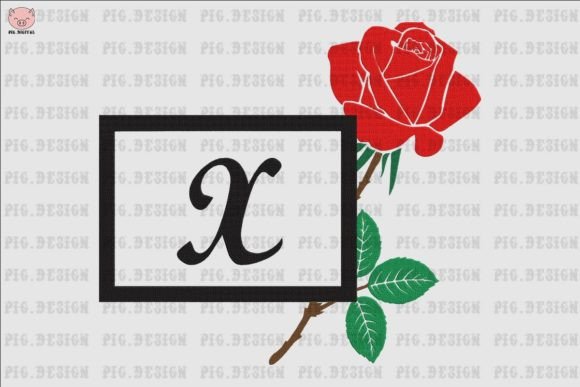
Working With Rose Font X: A Designer’s Real-World Review
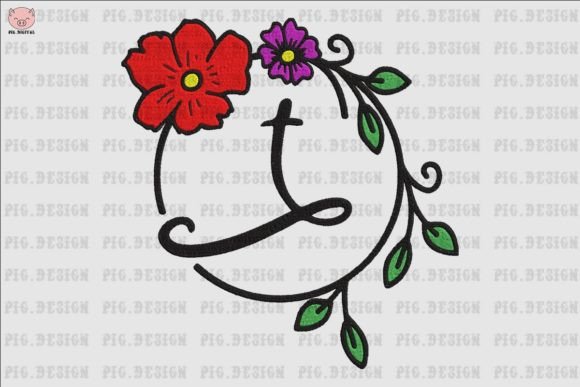
As someone who regularly stitches custom designs into tote bags, baby onesies, and boutique apparel, I always take a close look at any new font embroidery file before adding it to my digital toolkit. Rose Font X arrived with a soft, elegant vibe that immediately caught my eye. It’s clearly aimed at crafters and small business owners looking to add a delicate, readable touch to their embroidery projects — whether that’s a personalized sweatshirt, a custom nursery pillow, or a boutique tote for back-to-school season.
First Impressions: Feminine, Flowing, and Readable
Rose Font X feels like a cross between a classic script and a modern calligraphy font. The letters have soft curves, slight flourishes, and enough spacing to ensure readability even at smaller sizes. At first glance, it’s the kind of design that says “thoughtful” rather than “flashy.” That’s a big plus for Etsy sellers and handmade shop owners who want to maintain a polished, professional look without overwhelming the garment or decor item.
I tested it on a sample tote bag mockup and instantly saw how it would work well for gift items — especially for birthdays, baby showers, or wedding gifts where a personal name or date adds emotional value. It’s not overly ornate, so it maintains a clean, wearable aesthetic across different fabric types and color combinations.
Real-World Use: From Sweatshirts to Nursery Decor
I stitched Rose Font X onto a few different materials to see how it would hold up in real-life embroidery situations. On a medium-weight cotton tote, it stitched cleanly with minimal thread breaks and no distortion in the lettering. The satin and fill stitches were well-balanced, which is always a concern with script fonts.
- On a baby onesie, the font looked soft and sweet — perfect for monogramming or a short name.
- Applied to a sweatshirt, it held its shape well even with the thicker fabric, as long as I used a proper stabilizer underneath.
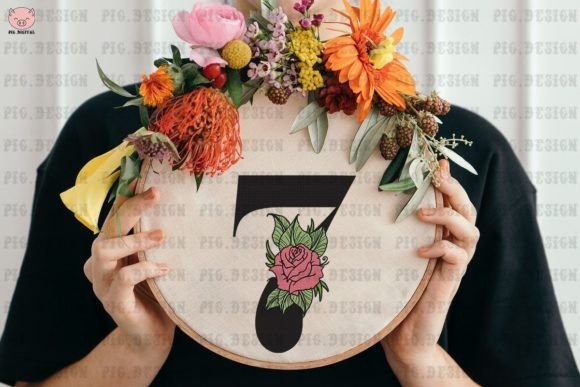
- For a nursery pillow, I paired it with a simple floral applique design and found the two complemented each other beautifully.
It also worked surprisingly well in a holiday-themed embroidered patch — just a name or short phrase in Rose Font X added a personal touch without competing with more detailed elements.
Where to Use Rose Font X Carefully
Like any script font, Rose Font X has some limitations depending on the project and fabric. I noticed a few key areas where extra care is needed:
- Small hoop sizes: The font may become too tight or lose definition if scaled down too far. Always test on scrap fabric first.
- Textured or stretchy fabric: Knits and loosely woven materials can distort the satin stitches, so stabilizer is essential.
- Dark fabrics: Some of the finer details can get lost, especially in shadowy thread colors. Try a lighter thread or a white underlay.
- Curved surfaces: Caps and curved patches can cause distortion — adjust hoop placement and tension carefully.
If you're planning to use this in commercial embroidery work or digital product previews, be sure to test it in both black and white mockups to see how it translates across different backgrounds.
How Rose Font X Impacts the Final Product
From a design perspective, Rose Font X elevates the overall presentation of a finished product. Whether it’s stitched onto a personalized gift or a small shop item, it gives off a boutique-level quality that customers tend to associate with care and craftsmanship.
For Etsy sellers and handmade shop owners, that kind of visual appeal can directly influence customer trust and repeat purchases. A clean, readable font like this also helps maintain brand consistency — especially if you're using it across multiple product lines like holiday gifts, baby items, and back-to-school merchandise.
It also has strong “giftability” — meaning it’s the kind of design that feels special without being too loud. That makes it ideal for items that need to feel personal and polished, like a teacher appreciation gift or a monogrammed lunch bag.
Designer Notes: What to Check Before You Stitch
Before using Rose Font X in a client project or selling finished items, here are a few practical steps I always take:
- Test on scrap fabric: Especially if you’re using a new stabilizer or working with a tricky material like stretchy cotton or thick fleece.
- Check thread color contrast: A dark navy thread on a light gray sweatshirt might look great, but the same thread on a black tote could disappear.
- Review stitch density: Make sure the satin stitches aren’t too tight and the fill areas don’t pull the fabric out of shape.
- Confirm hoop size: Don’t assume — check the file details to make sure it fits your machine before starting a project.
- Inspect small details: Look closely at how the letters connect and whether any fine lines get lost during stitching.
- Check licensing: If you’re selling finished items or digital embroidery files, always confirm whether Rose Font X is cleared for commercial use.
And if you're creating printable mockups or digital product previews, try showing Rose Font X in both light and dark fabric options so buyers can visualize how it will look in different settings.
Final Thoughts: A Solid Addition to Any Embroidery Kit
Rose Font X isn’t the kind of embroidery design that shouts for attention — and that’s exactly why it works so well. It’s versatile, readable, and brings a soft, elegant touch to a wide range of projects. Whether you're stitching a back-to-school tote, a baby blanket, or a boutique sweatshirt, it’s a font that feels intentional without being over the top.
For embroidery designers and small business owners who rely on clean, professional results, Rose Font X earns its place in the digital embroidery file collection. Just remember to test it thoroughly, adjust for fabric type, and use it thoughtfully — and it’ll serve you well across many handmade projects and customer orders.