Large Open Book: A Designer's Review for Merch
As an embroidery designer who has spent years translating brand visions into tangible thread, I approach every new digital file with a critical eye. When I first encountered the Large Open Book machine embroidery design, my immediate reaction was one of professional curiosity. The description promises an "elevated touch" and a "classy" result, which are high bars to clear in the competitive world of small business merchandise. For boutique owners, Etsy sellers, and apparel decorators looking to infuse their products with sophistication, this design offers more than just a decorative motif; it presents a strategic opportunity to enhance brand identity through texture and detail.
First Impressions: Elegance Meets Functionality
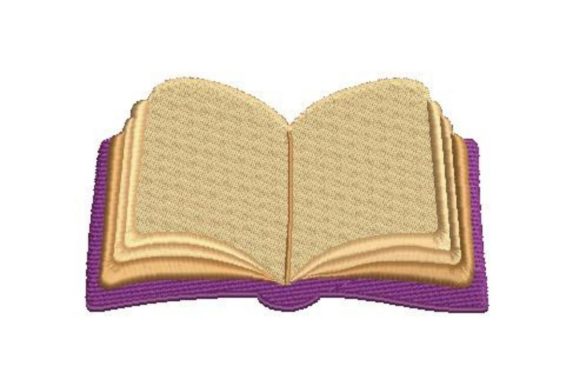
The visual personality of the Large Open Book is immediately striking. Unlike many generic back-to-school designs that lean heavily into playful or cartoonish aesthetics, this piece feels grounded and timeless. It carries a classic, almost academic elegance that translates well across various industries. Whether you run a local café, a handmade craft studio, or a creative agency, the open book symbolizes knowledge, openness, and craftsmanship. This makes it a versatile asset for custom apparel where you need a logo accent that speaks quality without shouting.
In the context of commercial embroidery, the "classy" descriptor from the product description holds weight. The design appears to have clean lines and balanced proportions, which are essential for maintaining integrity when scaled. For a small business merch creator, finding a design that looks premium on a high-end tote bag but also functions as a subtle chest logo on a staff uniform is rare. The Large Open Book seems to bridge that gap effectively, offering a sophisticated look that elevates the perceived value of the finished product.
Real-World Applications for Small Business Merch
When evaluating how this design performs in real business scenarios, its versatility becomes apparent. Imagine a local bookstore or a tutoring center needing branded patches for their staff. The Large Open Book works exceptionally well as an embroidered patch sewn onto aprons or work shirts. The open pages provide a natural canvas for adding a monogram or a small text element, turning a simple icon into a unique brand mark.
For the handmade brand owner selling on Etsy, this design is a goldmine for tote bag design. A large-scale version of the book on a sturdy canvas tote instantly communicates a love for learning and culture. It transforms a standard utility item into a statement piece. Similarly, for cap embroidery, a smaller, simplified version of the design could serve as a front-panel accent for a bakery or florist that wants to project a scholarly or artisanal vibe. Even in product packaging accents, such as a fabric tag on a set of journals or a clothing line, the design adds a tactile layer of luxury that printed labels simply cannot match.
The potential for event merch is also significant. If you are organizing a workshop, a literary festival, or a Back To School community event, this embroidery file can be used to create exclusive giveaways. Attendees receive a tangible memory—a patch or a pin—that they can attach to their jackets or bags, extending your brand's reach long after the event concludes. The key is ensuring the stitch density is appropriate for the chosen garment so the design remains crisp and durable.
Navigating Challenges: Where Caution is Required
While the Large Open Book is a strong contender for many projects, experienced designers know that no design is universally perfect without testing. There are specific areas where caution must be exercised to ensure the final output meets professional standards. One primary concern is scale. The title suggests a "Large" design, which implies intricate details within the pages of the book. If you attempt to shrink this significantly for a tiny sleeve detail or a small cap brim, you risk losing definition. High stitch density in a reduced size can lead to puckering on the fabric, especially on textured materials like denim or heavy cotton blends.
Fabric texture plays a crucial role here. On smooth, flat surfaces like twill for caps or polished cotton for shirts, the design will likely shine. However, on highly textured fabrics or stretchy knits, the complex outlines might distort. Additionally, dark uniforms present a challenge if the design relies heavily on light thread colors without proper underlay. The contrast between the thread colors and the base fabric must be carefully managed to ensure legibility and visual impact.
Another consideration is the frequency of washing. Items like aprons and staff shirts undergo rigorous cleaning cycles. If the stabilizer is not applied correctly during the digitizing or stitching process, the dense areas of the book design could crack or peel over time. Always test the design on the actual fabric intended for production before committing to a bulk order. This step is non-negotiable for maintaining the reputation of your brand.
Strategic Implementation for Brand Identity
Using the Large Open Book effectively goes beyond just sewing it onto a shirt; it is about leveraging it to build customer trust and recognition. A consistent, high-quality embroidery design signals professionalism. When customers see a well-executed patch on a product label or a uniform, they subconsciously associate that attention to detail with the quality of your services or goods. This visual consistency strengthens your brand identity and differentiates you from competitors who rely solely on screen printing.
To maximize engagement, consider creating printable mockups for client approval before production. Show your potential buyers how the design looks on different garments and in various thread color combinations. This helps manage expectations and allows for adjustments in hoop size or placement before any thread is cut. Furthermore, always confirm the commercial licensing terms associated with the digital embroidery file. Ensuring you have the right to use the design for business purposes protects your investment and keeps your operations compliant.
Practical Designer Notes for Production
- Test First: Always run a test stitch in black and white on a scrap of your target fabric to check for registration issues and density problems.
- Stabilizer Selection: Use a high-quality tear-away or cut-away stabilizer depending on the fabric weight to prevent shifting and maintain shape.
- Color Contrast: Review thread color palettes to ensure the book stands out against the garment background without clashing.
- Hoop Size Verification: Confirm the design fits within your machine's maximum hoop dimensions, especially if adding custom text to the pages.
- Licensing Check: Verify that the digital file includes a commercial license for use on sellable merchandise and branded patches.
- Mockup Creation: Generate realistic mockups to visualize the finished product for marketing and client presentations.
Ultimately, the Large Open Book machine embroidery design offers a compelling option for businesses seeking to add a touch of class and intellect to their merchandise. By understanding its strengths and navigating its limitations with care, you can transform this digital asset into a powerful tool for your brand. Whether it adorns a staff uniform, a customer gift, or a signature tote bag, the result is a finished product that speaks volumes about your commitment to quality and style.